C.A.S.T — Cable-Activated Stabilizing Torso
Columbia Robotics and Rehabilitation Lab
A wearable assistive device that restores postural stability for spinal cord injury patients using cable-driven trunk support.
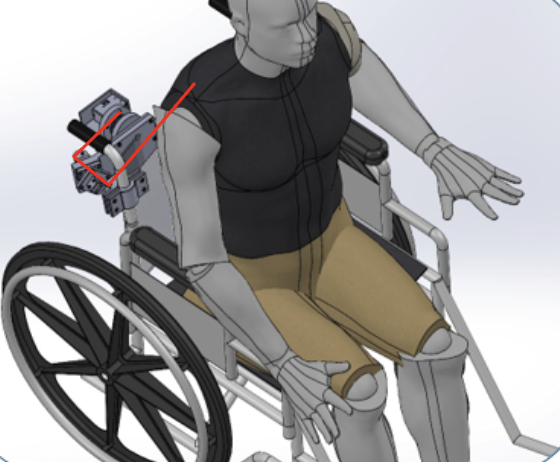
Due to NDA restrictions, only limited visuals can be shown.
01 · My role
What I contributed
Redesigned posture-support vest for better force transfer
Improved vest stability and fit through material and strap design
Designed interaction logic for a single-button control system
Defined three user modes for safety and posture support
My contributions focused on the physical interface design and interaction system for SCI patients.
02 · Vest design
Problem → Solution
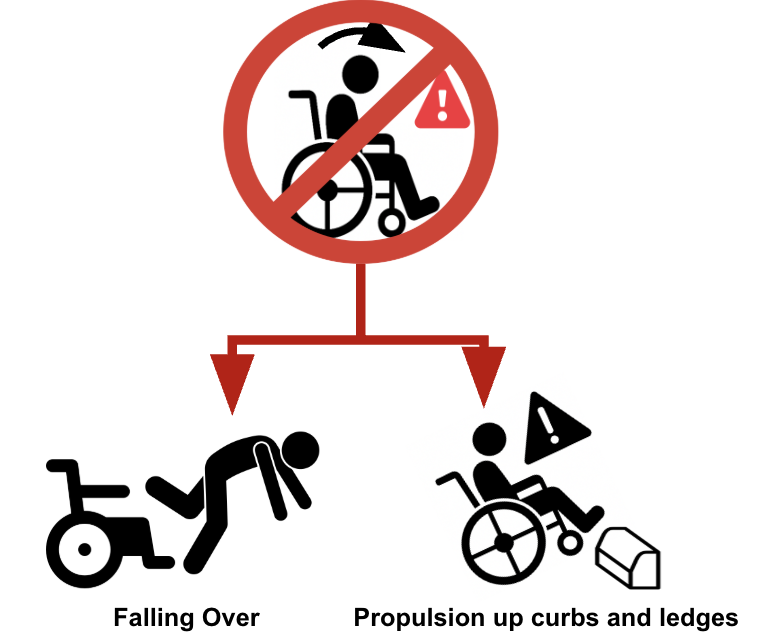
Preventing risk of fall maintaining balance
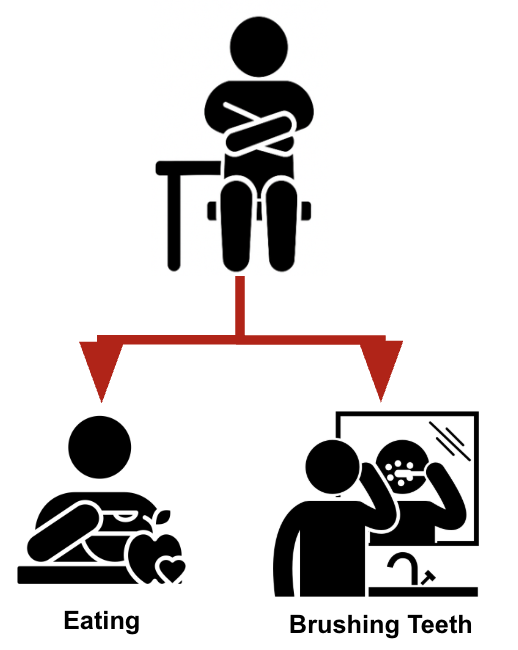
Increase Functional Reach/Bimanual Task
The redesigned vest uses non-stretch nylon and adjustable straps to improve force transfer and fit.
03 · Interaction design
Three Control Modes
Neutral Lock
Single press
Gently re-centers posture
Free Mode
Hold button
Allows controlled movement with constant support
Stabilize Mode
Double press
Locks current posture for focused tasks
A single-button control system designed to minimize cognitive load while providing full control over posture support.
04 · Design principles
Key Design Priorities
Every design decision prioritized user safety and ease of use for spinal cord injury patients.
Developed at Columbia University ROAR Lab under supervision of postdoctoral researcher Chawin Ophasongwe. Team: Eileen Lin, Tobias Carmel, Byung Wook Kim, Eddie Choi.
Continue
View all projects