Back to Portfolio

Designing Traceable Garment Lifecycles

UI/UX Design @ Personal Project

TeamPersonal Project
TimelineMay 2024 – Dec 2024
What I didResearch, UX/UI Design, Prototyping

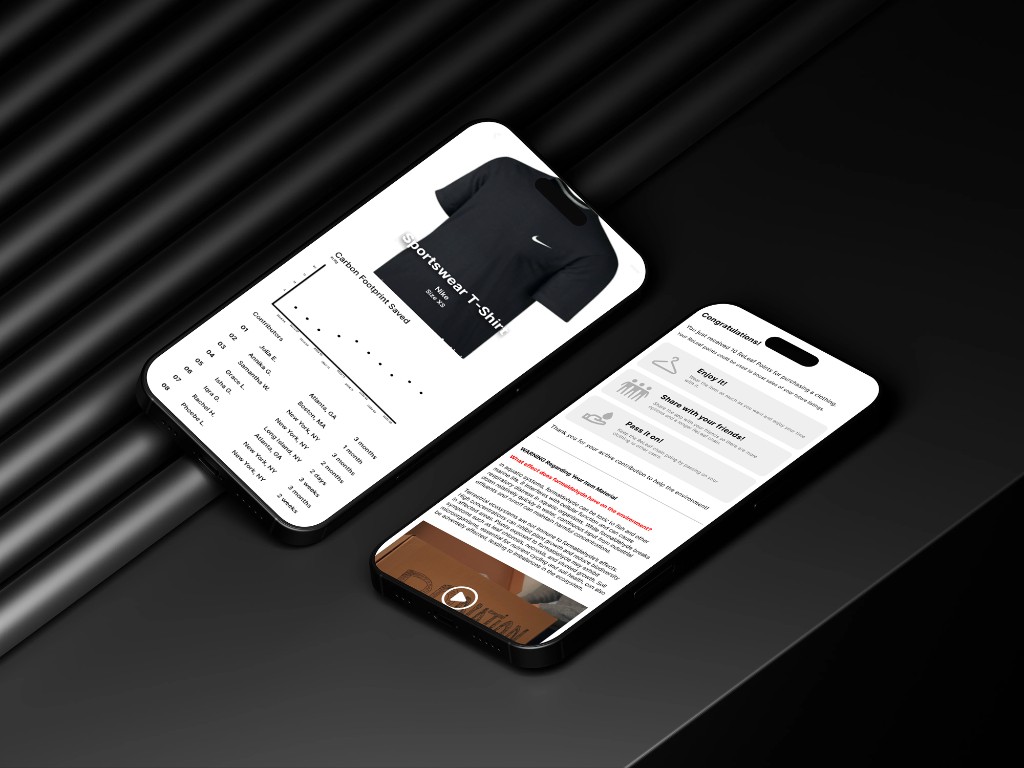
Led research and end-to-end design of a blockchain-enabled fashion reuse app focused on extending garment lifecycle through traceability.

PassItOn app mockup showing garment tracking interface

What happens after clothing leaves our closets?

Ghana receives millions of unwanted clothes every week. Half of these items are unsellable and non-biodegradable. They often end up in informal dumpsites or are burned.

Purchase

A new garment is bought

Worn briefly

Used only a few times

Discarded

Deemed out of style

Exported

Shipped to Ghana

Landfill

Burned or buried

cycle repeats indefinitely

50

respondents surveyed

ages 19–26 (Gen Z)

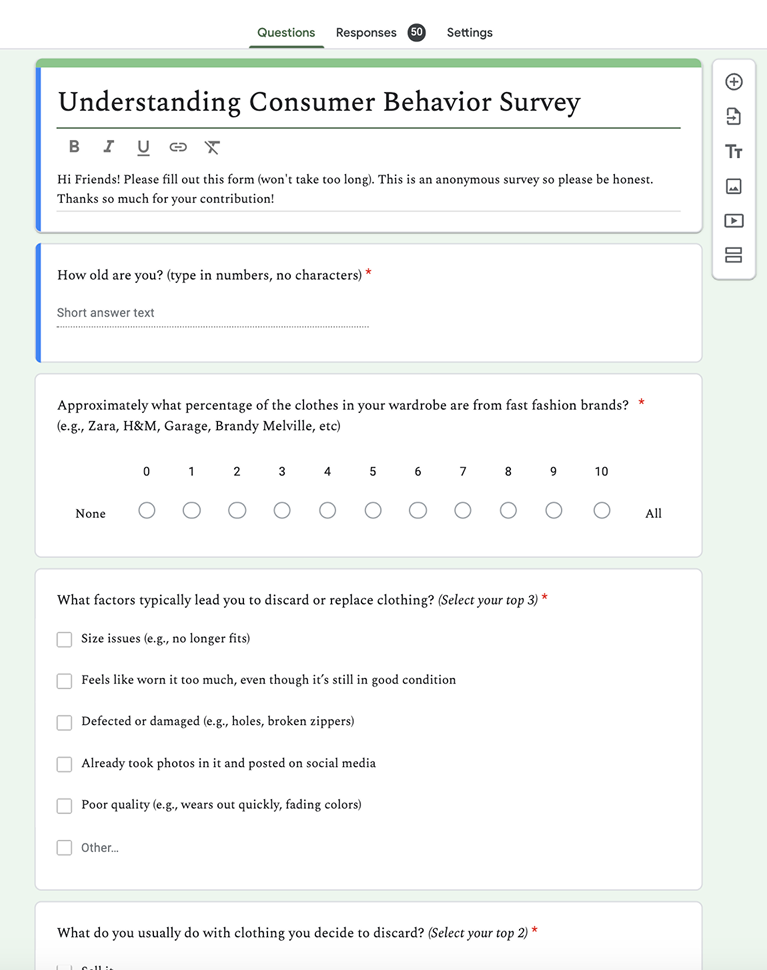
Since most fast fashion consumers are aged between 20 to 30, I ran a consumer behavior survey from 50 people ranging in this group.

Understanding Behavior Survey

Google Forms survey interface
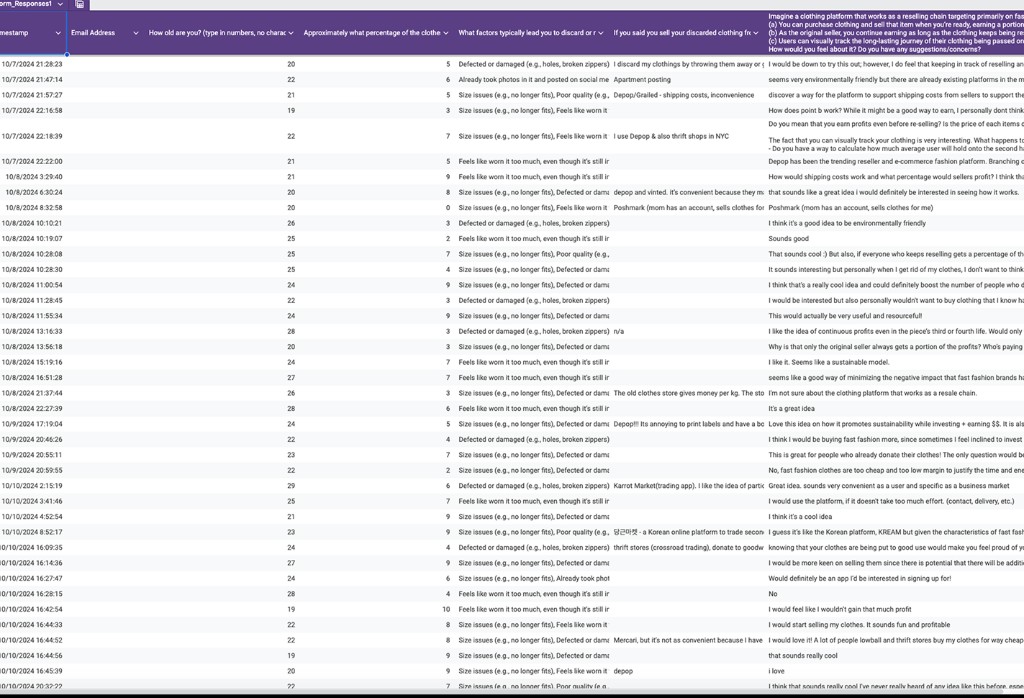
Survey response spreadsheet
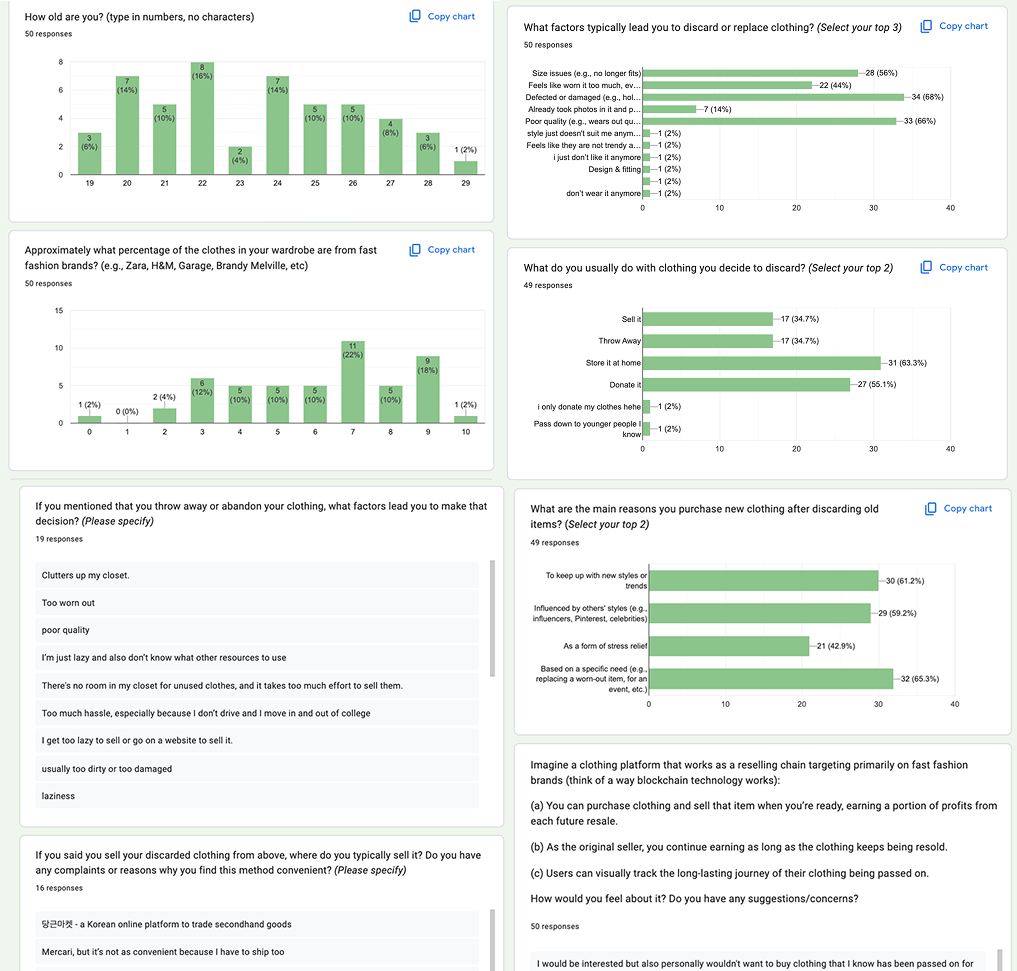
Survey data visualization charts

Survey responses from 50 Gen Z participants on clothing consumption and disposal habits

01 — Wardrobe Composition

What fills the modern closet?

75%

of young consumers' wardrobes consist of fast fashion items

Fast Fashion
Other Brands

The dominance of fast fashion in modern wardrobes reflects accessibility, affordability, and the rapid trend cycles that drive consumer purchasing behavior.

02 — Discard Reasons

Why do people discard clothing?

Damaged or defective68%
Poor quality / wears out quickly66%
Size issues56%
Feels like worn too often44%
Already posted on social media14%

Quality-related issues dominate disposal decisions, with damage and rapid wear accounting for the majority of discards. The "already posted on social media" phenomenon, while smaller, highlights the growing influence of digital presence on physical consumption.

03 — Disposal Behavior

Where does unwanted clothing go?

Closet
63%Store unused at home
55%Donate clothing
35%Sell clothing
35%Throw away

Most unwanted clothing never leaves the home — stored away rather than recycled or donated. This "closet purgatory" represents a significant opportunity for sustainable fashion interventions.

04 — Buying Motivations

What drives new purchases?

PurchaseDrivers
Replacing worn items
65%
Keeping up with trends
61%
Influenced by social media / others
59%
Stress relief
43%

While practical replacement needs remain the primary driver, social and emotional factors — trend-following, social influence, and retail therapy — collectively outweigh functional purchasing decisions.

01

Solutions

High-fidelity designs for extending garment lifecycles through transparency and engagement

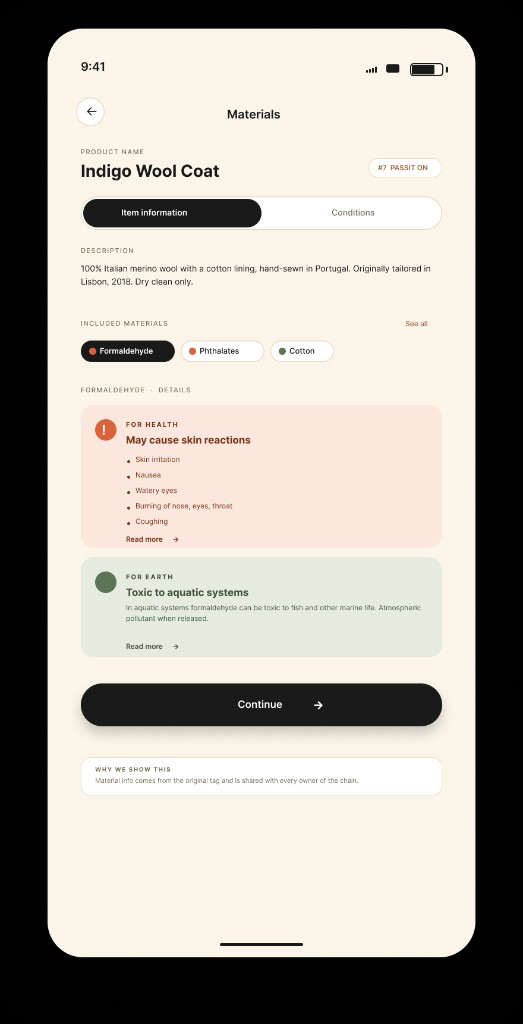
Item tag scanner interface

Scanner Interface

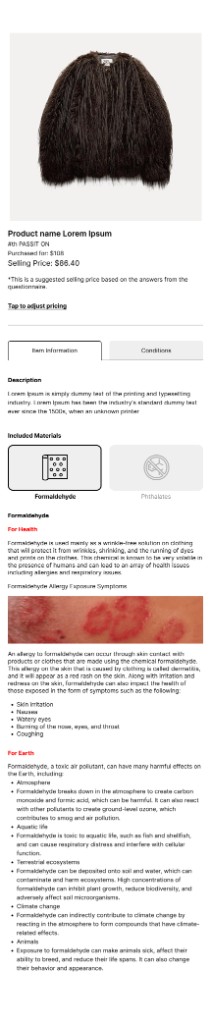
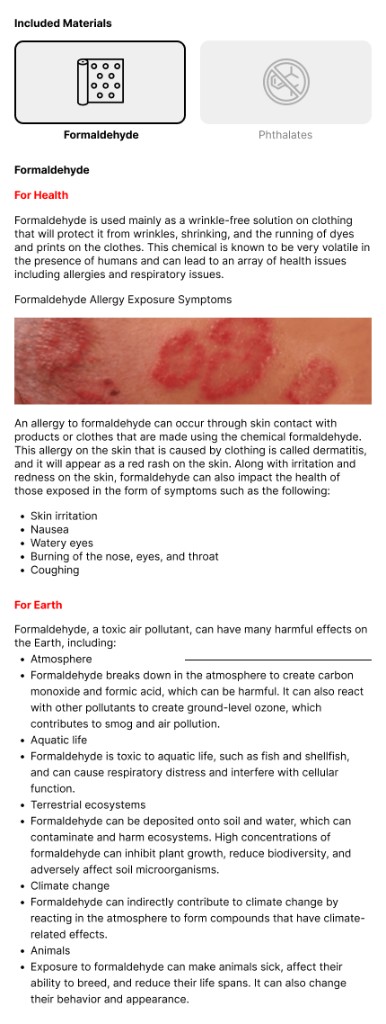
Material information detail view showing chemical impacts

Material Detail View

Item Tag Scanner & Material Information

Scans clothing tags to reveal hidden health and environmental impacts of garment materials.

  • Identifies harmful chemicals such as formaldehyde and synthetic treatments
  • Explains how materials affect human health and ecosystems
  • Makes the hidden costs of fashion visible to the wearer

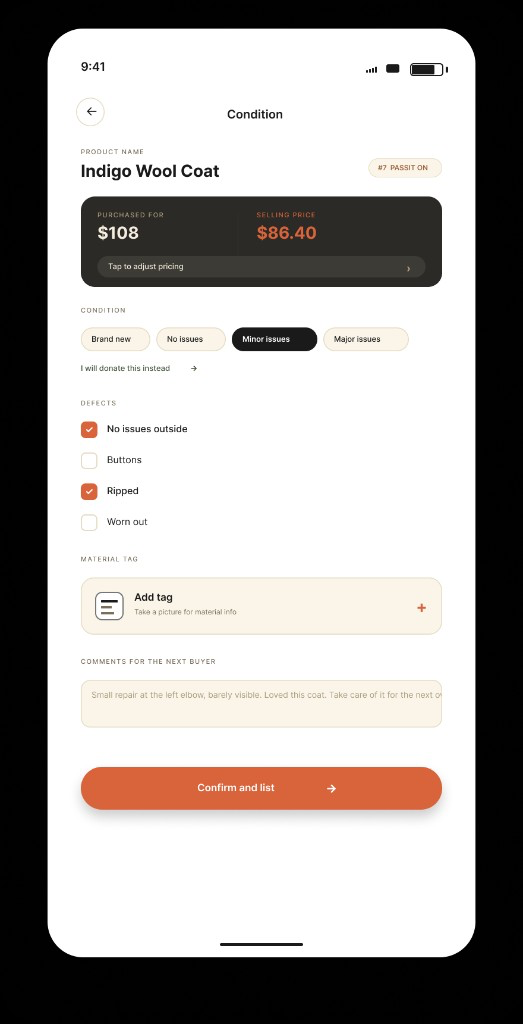
Garment Journey & User Engagement

Track ownership history, earn rewards, and build your sustainable fashion profile

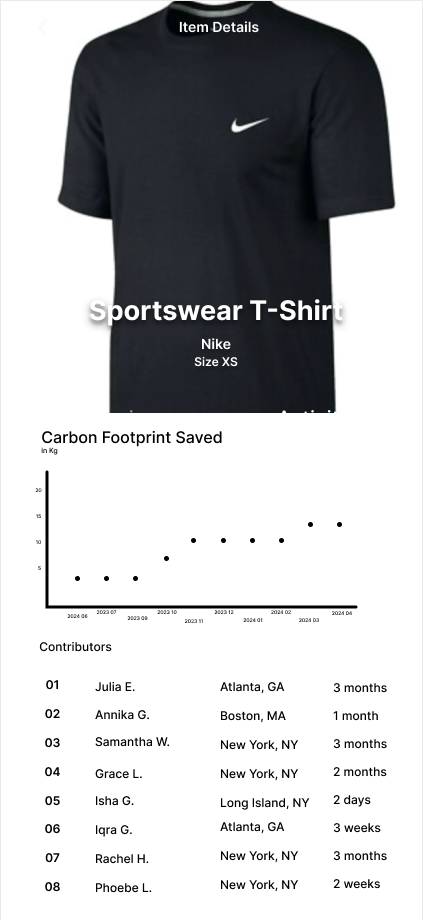
ReLeaf chain tracking garment journey

ReLeaf Chain

Tracks item transfers and visualizes carbon footprint savings

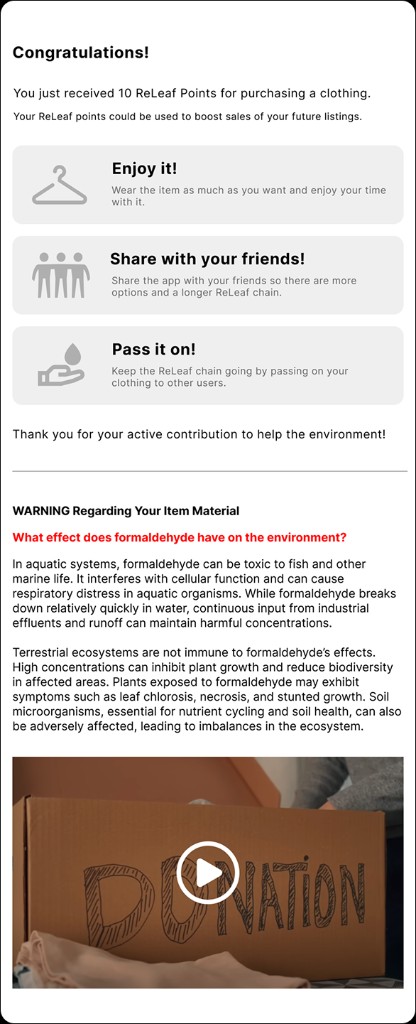
Next steps with ReLeaf points and tips

Next Steps

Awards ReLeaf points and suggests eco-friendly care tips

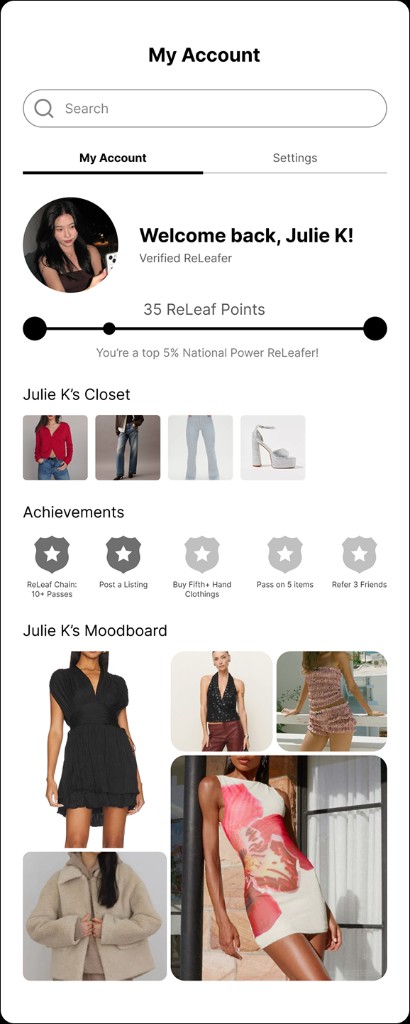
User profile with achievements and moodboard

User Profile

Displays ReLeaf points, rankings, and sustainability achievements

How the Circular Pricing Model Works

A pricing system designed to keep garments circulating longer by lowering resale prices over time, rewarding previous owners, and balancing platform sustainability.

Progressive Price Drop

The resale price decreases with each handoff, making garments more accessible as they continue circulating through the system.

1st
$200
2nd
$170
-15%
3rd
$145
-15%
4th
$116
-20%
5th
$104
-10%
6th
$94
-10%
7th
$85
-10%
8th
$68
-20%
...
$3
minimum price

Lower prices invite new buyers. Each handoff makes the garment accessible to someone who could not afford it before, keeping it in circulation instead of going to landfill.

Wear-Based Cost

Users are not simply buying clothing outright — they pay for the time they wear it, then recover part of the value when they resell.

$80

Purchase Price

6 months

Wear Period

$68

Resale Price

$12

Net Cost to Wear

The true cost of ownership becomes the difference between purchase and resale, not the full retail price.

Partial Profit Rewards

When a garment is resold again, previous owners receive a small partial reward from future resale transactions — creating a chain-of-custody value flow.

1st Owner
2nd Owner
3rd Owner+$14
4th Owner+$12

3rd-hand sale at $145

Previous seller receives ~$14

4th-hand sale at $123

Previous seller receives ~$12

Membership vs Non-Membership

A hybrid platform revenue model that supports both accessibility for casual users and recurring revenue for sustainable operations.

Member

$6.99/mo

  • No transaction fees
  • Priority listing visibility
  • Enhanced profit rewards
  • Early access to features

Non-Member

10% per sale

  • Pay per transaction
  • Standard listing visibility
  • Standard profit rewards
  • Full platform access

Key Takeaway

This system is not only designed to make secondhand clothing cheaper. It is designed to increase garment circulation, lower the barrier for the next user, reward participation, and extend the lifecycle of fast-fashion items.